The short answer
A commercial mortgage is a loan secured on a property that is not, or not only, a home. Expect a bigger deposit than buy-to-let (usually 25% to 40%), shorter terms, and a lender that cares a lot about the tenant and the lease.
Types of commercial property finance
- Commercial investment mortgage. You own the building and a business rents it. The lender looks at the lease, the tenant's strength and the rent.
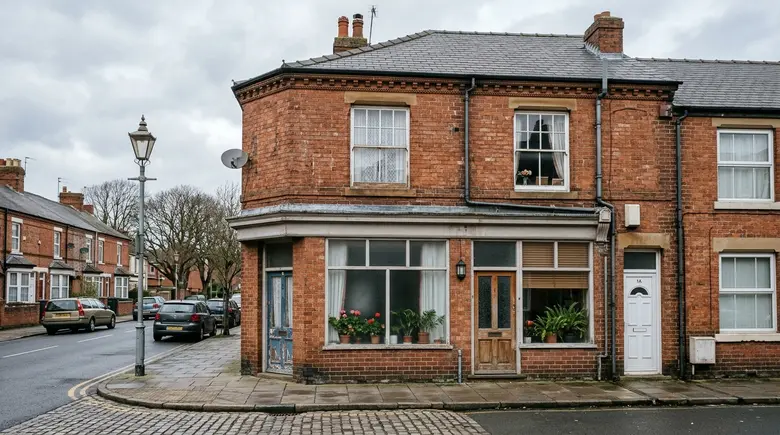
- Semi-commercial (mixed use). Part commercial, part residential: a shop with a flat above, or an office with apartments. Often available with lower deposits than pure commercial.
- Owner-occupier commercial. Your own business trades from the building. The lender looks mainly at the business accounts.
What lenders look for
- The lease. Length left, break clauses and who pays for repairs. A long lease to a strong tenant is worth more to a lender than a high rent on a short lease.
- Rental cover. Often 125% to 150% of the interest at a stress rate, similar to buy-to-let but applied to the commercial rent.
- Your experience. Many lenders prefer borrowers who already own commercial or mixed-use property.
- The property. Location, condition, use class and how easy it would be to re-let if the tenant left.
Rates and terms
Commercial rates are usually priced as a margin over the Bank of England base rate or SONIA, and are often higher than buy-to-let. Terms are commonly 5 to 25 years. Arrangement fees of 1% to 2% are typical, plus a commercial valuation, which costs more than a residential one.
Semi-commercial in the North East
Many North East high streets are lined with shops that have one or two flats above. Values are often low, which suits investors, but some lenders have a minimum loan or property value. Semi-commercial lenders often value the building on its combined rent, so a let flat and a let shop together can support a sensible loan.
Is a commercial mortgage regulated?
Usually not. The exception: if at least 40% of the property is, or will be, lived in by you or a close family member, the loan is a regulated mortgage. A shop with a flat above that you live in can fall into this. We cannot help with regulated mortgages yet. If the flat is let to a tenant, it is normally unregulated.
Common questions
What deposit do I need for a commercial mortgage?
Usually 25% to 40%. Semi-commercial property can sometimes be financed with a 25% deposit. Pure commercial with a weak lease may need more.
Can I buy commercial property through a limited company?
Yes. Most commercial lending to investors is to companies. Lenders usually ask directors for personal guarantees.
What happens if the commercial unit is empty?
It is harder, not impossible. Some lenders will lend on vacant units at a lower loan to value, or you can bridge the purchase and refinance once a tenant is in.
How long does a commercial mortgage take?
Often six to twelve weeks, because the valuation and the legal review of the lease take longer than on a house.